
"Trunk Coffee"
1000 article(s) found

Pacamara Pacamara (Pacamara) varieties introduce boutique coffee geisha coffee
Pacamara coffee is a hybrid of Pacas Pacas (a sudden variant of the bourbon species) and giant bean Maragogype (a sudden variant of the Tibica species found in Brazil) found in El Salvador in the 1950s. The coffee tree is very tall, the branch spacing of the trunk is wider than that of Pacas Pacas, and the edge of dark green leaves is wavy. It is suitable for cultivation at the elevation of 900m to 1500m.

What are the varieties of coffee beans in Libya?
The Liberian species, the large-grained species, is native to Liberia in Africa, as well as a few countries such as Malaysia. Its cultivation history is slightly shorter than the other two coffee trees. Liberian coffee trees are suitable for growing in lowlands. Its trunk is high and strong, it is 18 meters high, its leaves are large and tough, and its fruits and coffee beans are also very large. Its seed coat is close to the seed kernel and is scarlet when it is mature. The quotation flavor is strong.
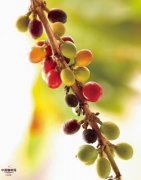
Coffee tree characteristics
1. Root: coffee root is a conic root system. 2. Stem: the stem of coffee, also known as the trunk, is developed from straight branches. 3. Leaves: simple leaves opposite, green, oval to long elliptic. Flowers: flowers are white and fragrant. 5. Fruit: the fruit is a drupe, usually containing 2 seeds, as well as single and 3 seeds.
Rose summer coffee beans
Rosa originated from a very rare wild species in Ethiopia, and the beans may be named after this coffee bean found near the local village called Rosa. The coffee tree is tall, its leaves are slender, and it is not afraid of coffee rust. It is characterized by a wide gap between branches on the trunk. The appearance of raw beans is slender, and ripe beans have strong and rich fruit aromas. I personally feel full-bodied.
Do you know the characteristics of coffee trees?
1. Root: coffee root is a conic root system. 2. Stem: the stem of coffee, also known as the trunk, is developed from straight branches. 3. Leaves: simple leaves opposite, green, oval to long elliptic. Flowers: flowers are white and fragrant. 5. Fruit: the fruit is a drupe, usually containing 2 seeds, as well as single and 3 seeds.
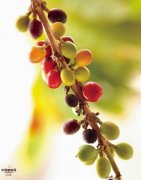
Understand the characteristics of coffee trees
1. Root: coffee root is a conic root system. 2. Stem: the stem of coffee, also known as the trunk, is developed from straight branches. 3. Leaves: simple leaves opposite, green, oval to long elliptic. Flowers: flowers are white and fragrant. 5. Fruit: the fruit is a drupe, usually containing 2 seeds, as well as single and 3 seeds.
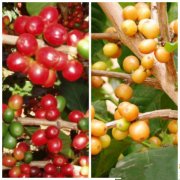
Five characteristics of coffee trees
1. Roots: Coffee roots are conical roots. 2, stem: coffee stem is also known as the trunk, is from the development of straight branches. 3, leaves: simple opposite, green, elliptic to long elliptic. 4. Flowers: white and fragrant. Fruit: The fruit is a drupe, usually containing 2 seeds, but also single and 3 seeds.
The basic knowledge of Rosa Coffee beans
Rosa originated from a very rare wild species in Ethiopia, and the beans may be named after this coffee bean found near the local village called Rosa. The coffee tree is tall, its leaves are slender, and it is not afraid of coffee rust. It is characterized by a wide gap between branches on the trunk. The appearance of raw beans is slender, and ripe beans have strong and rich fruit aromas. I personally feel full-bodied.

Introduction of Rose Summer Coffee Bean
Rosa originated from a very rare wild species in Ethiopia, and the beans may be named after this coffee bean found near the local village called Rosa. The coffee tree is tall, its leaves are slender, and it is not afraid of coffee rust. It is characterized by a wide gap between branches on the trunk. The appearance of raw beans is slender, and ripe beans have strong and rich fruit aromas. I personally feel full-bodied.
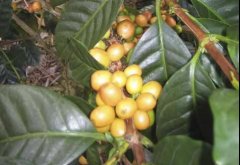
Coffee variety: Pacama (Pacamara)
Pacamara coffee is a hybrid of Pacas Pacas (a sudden variant of the bourbon species) and giant bean Maragogype (a sudden variant of the Tibica species found in Brazil) found in El Salvador in the 1950s. The coffee tree is very tall, the branch spacing of the trunk is wider than that of Pacas Pacas, and the edge of dark green leaves is wavy. It is suitable for cultivation at the elevation of 900m to 1500m.
Pacamara coffee
Pacamara coffee is a hybrid of Pacas Pacas (a sudden variant of the bourbon species) and giant bean Maragogype (a sudden variant of the Tibica species found in Brazil) found in El Salvador in the 1950s. The coffee tree is very tall, the branch spacing of the trunk is wider than that of Pacas Pacas, and the edge of dark green leaves is wavy. It is suitable for cultivation at the elevation of 900m to 1500m.
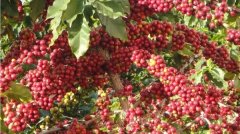
The structure of coffee trees
1. Root: coffee root is a conic root system. 2. Stem: the stem of coffee, also known as the trunk, is developed from straight branches. 3. Leaves: simple leaves opposite, green, oval to long elliptic. Flowers: flowers are white and fragrant. 5. Fruit: the fruit is a drupe, usually containing 2 seeds, as well as single and 3 seeds.

Boutique Coffee varieties about Pakamara (Pacamara)
Pacamara coffee is a hybrid of Pacas Pacas (a sudden variant of the bourbon species) and giant bean Maragogype (a sudden variant of the Tibica species found in Brazil) found in El Salvador in the 1950s. The coffee tree is very tall, the branch spacing of the trunk is wider than that of Pacas Pacas, and the edge of dark green leaves is wavy. It is suitable for cultivation at the elevation of 900m to 1500m.
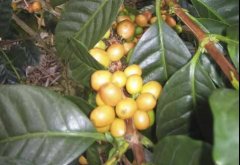
Introduction of boutique coffee varieties Pacamara (Pacamara)
Pacamara coffee is a hybrid of Pacas Pacas (a sudden variant of the bourbon species) and giant bean Maragogype (a sudden variant of the Tibica species found in Brazil) found in El Salvador in the 1950s. The coffee tree is very tall, the branch spacing of the trunk is wider than that of Pacas Pacas, and the edge of dark green leaves is wavy. It is suitable for cultivation at the elevation of 900m to 1500m.
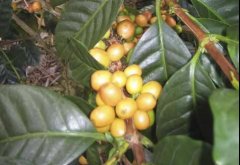
Coffee variety: Pacama (Pacamara)
Pacamara coffee is a hybrid of Pacas Pacas (a sudden variant of the bourbon species) and giant bean Maragogype (a sudden variant of the Tibica species found in Brazil) found in El Salvador in the 1950s. The coffee tree is very tall, the branch spacing of the trunk is wider than that of Pacas Pacas, and the edge of dark green leaves is wavy. It is suitable for cultivation at the elevation of 900m to 1500m.
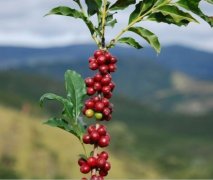
Coffee tree characteristics
1. Roots: Coffee roots are conical roots. 2, stem: coffee stem is also known as the trunk, is from the development of straight branches. 3, leaves: simple opposite, green, elliptic to long elliptic. 4. Flowers: white and fragrant. Fruit: The fruit is a drupe, usually containing 2 seeds, but also single and 3 seeds.
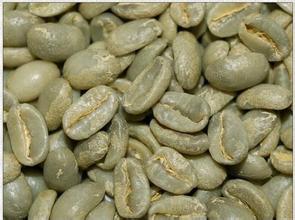
Characteristic coffee beans with strong fruit aroma in the African region of Ethiopia.
Rosa originated from a very rare wild species in Ethiopia, and the beans may be named after this coffee bean found near the local village called Rosa. The coffee tree is tall, its leaves are slender, and it is not afraid of coffee rust. It is characterized by a wide gap between branches on the trunk. The appearance of raw beans is slender, and ripe beans have strong and rich fruit aromas. I personally feel full-bodied.
YUKIWA Top 18-8 Stainless Steel Hand Flushing Pot Taguchi Guard Coffee Utensils
YUKIWA hand brew pot is a coffee pot designed by Japanese coffee master Taguchi. Master Taguchi is Japan's national treasure barista, this pot nozzle typical elephant trunk and swan neck combination, small crane mouth oblique cut, so that the flow of water brewing coffee more evenly. The artistic hollow handle is designed with cooling holes, which makes it more comfortable to hold. hinge is arranged between the lid and the body of the kettle

Coffee variety Pacamara (Pacamara)
Pacamara coffee is a hybrid of Pacas Pacas (a sudden variant of the bourbon species) and giant bean Maragogype (a sudden variant of the Tibica species found in Brazil) found in El Salvador in the 1950s. The coffee tree is very tall, the branch spacing of the trunk is wider than that of Pacas Pacas, and the edge of dark green leaves is wavy. It is suitable for cultivation at the elevation of 900m to 1500m.
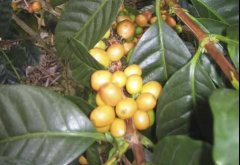
Introduction of coffee bean variety introduction of Pacamara (Pacamara)
Pacamara coffee is a hybrid of Pacas Pacas (a sudden variant of the bourbon species) and giant bean Maragogype (a sudden variant of the Tibica species found in Brazil) found in El Salvador in the 1950s. The coffee tree is very tall, the branch spacing of the trunk is wider than that of Pacas Pacas, and the edge of dark green leaves is wavy. It is suitable for cultivation at the elevation of 900m to 1500m.